September 17, 2026
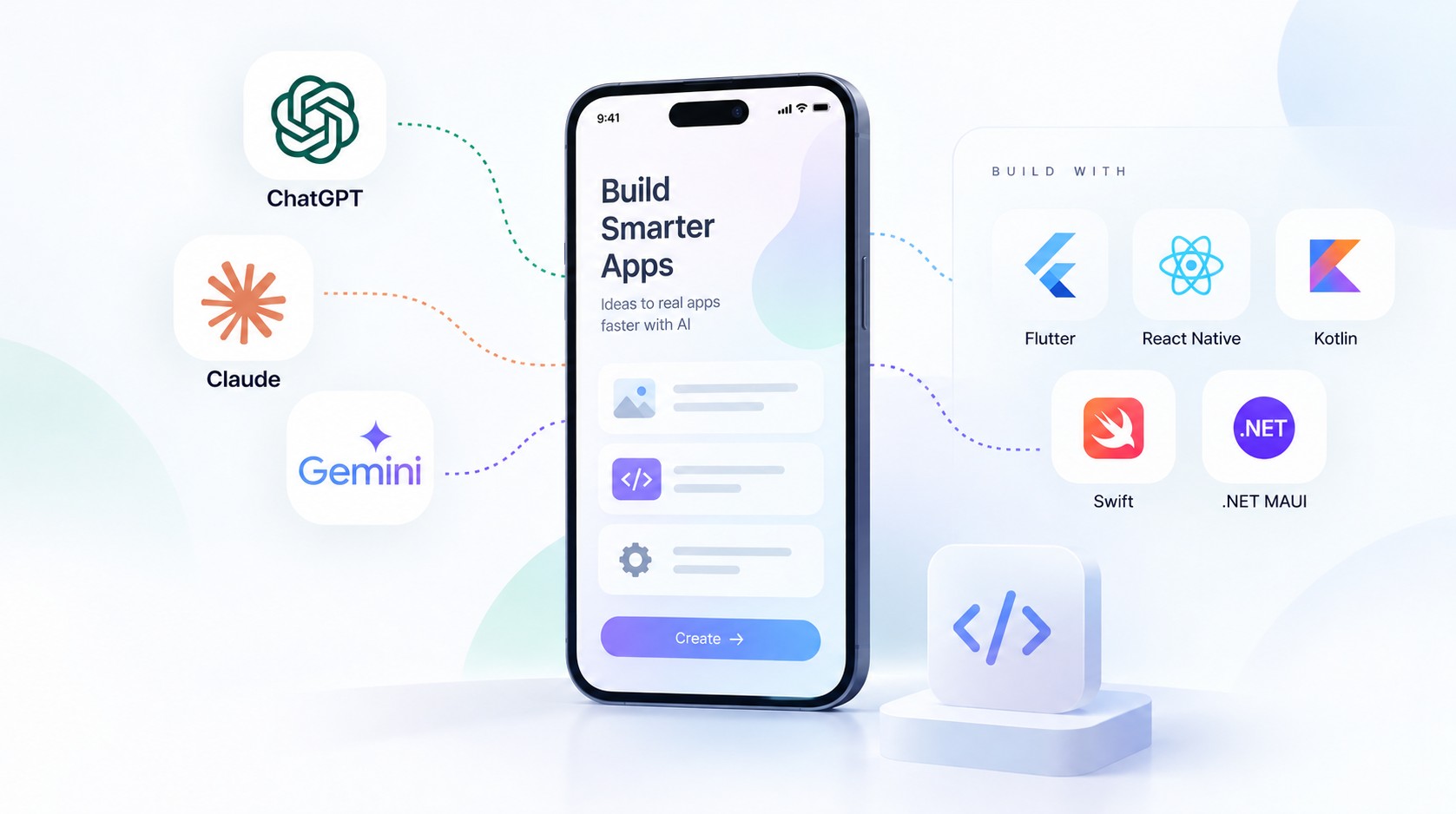
Artificial intelligence is changing the way mobile apps are designed, built, tested and cared for. In 2026, AI goes beyond just suggesting code. Developers can now use AI to create app prototypes, write and test code, spot bugs and finish development.
This change turns AI from a coding helper into a part of software development. Big tech companies are also embedding AI into their development tools. Google and Apple are launching tools that let AI work through all parts of the mobile app development life cycle.
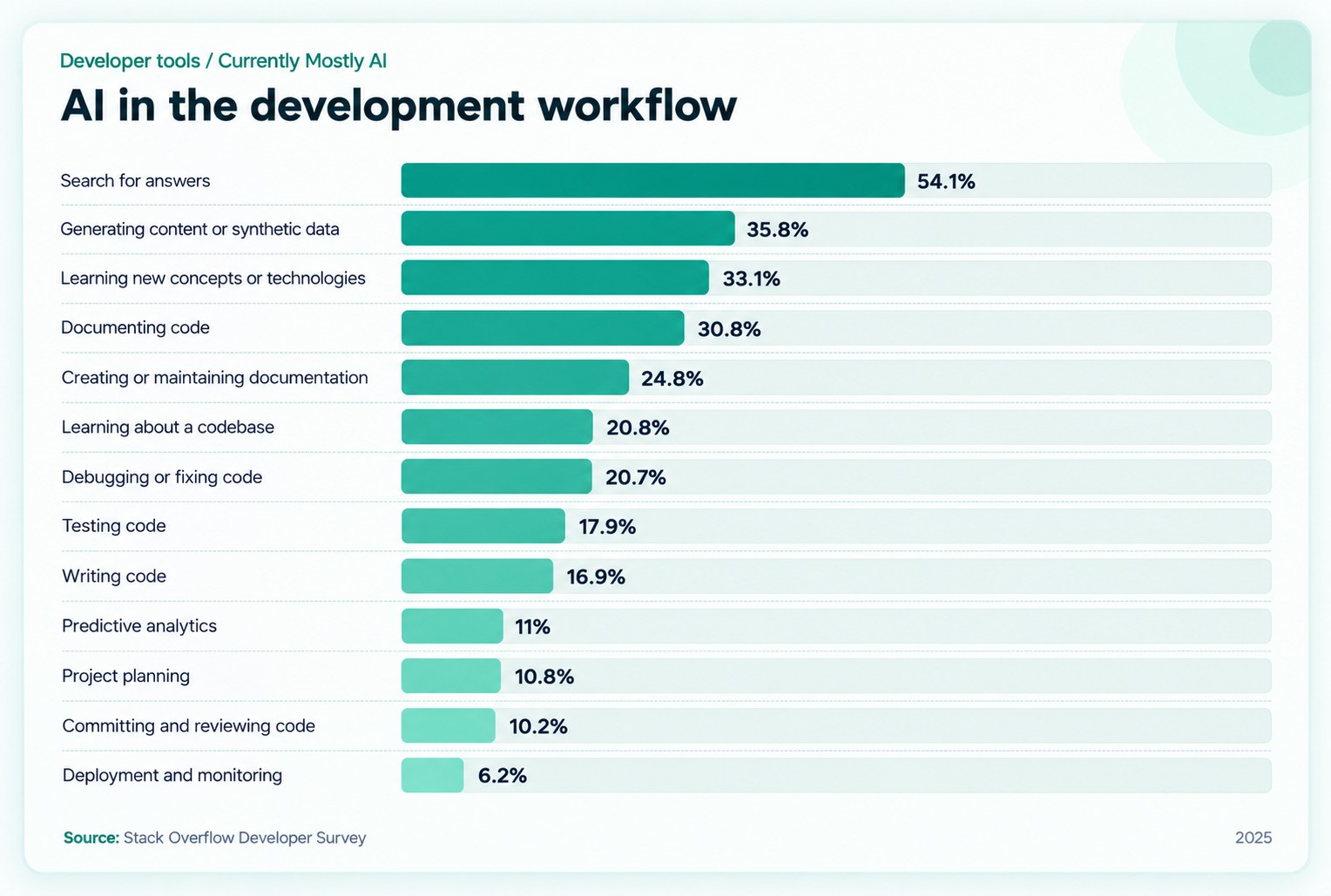
AI in mobile app development brings speed. AI lets developers talk about an idea and then build the draft of an app without starting from scratch. Google AI Studio can create Android apps from a request. Developers can use Kotlin to build apps, run them on devices to see how they look and then keep improving them in Android Studio. This shortens the time needed to make and test models. For companies, faster model building means more experiments. Teams can try ideas before investing a lot of time and money into a complete app ready for use.
The role of AI is also becoming more autonomous. In the past, coding assistants mainly helped developers by generating code snippets, explaining code or solving specific problems. By 2026, AI agents can take on much bigger parts of the development workflow.
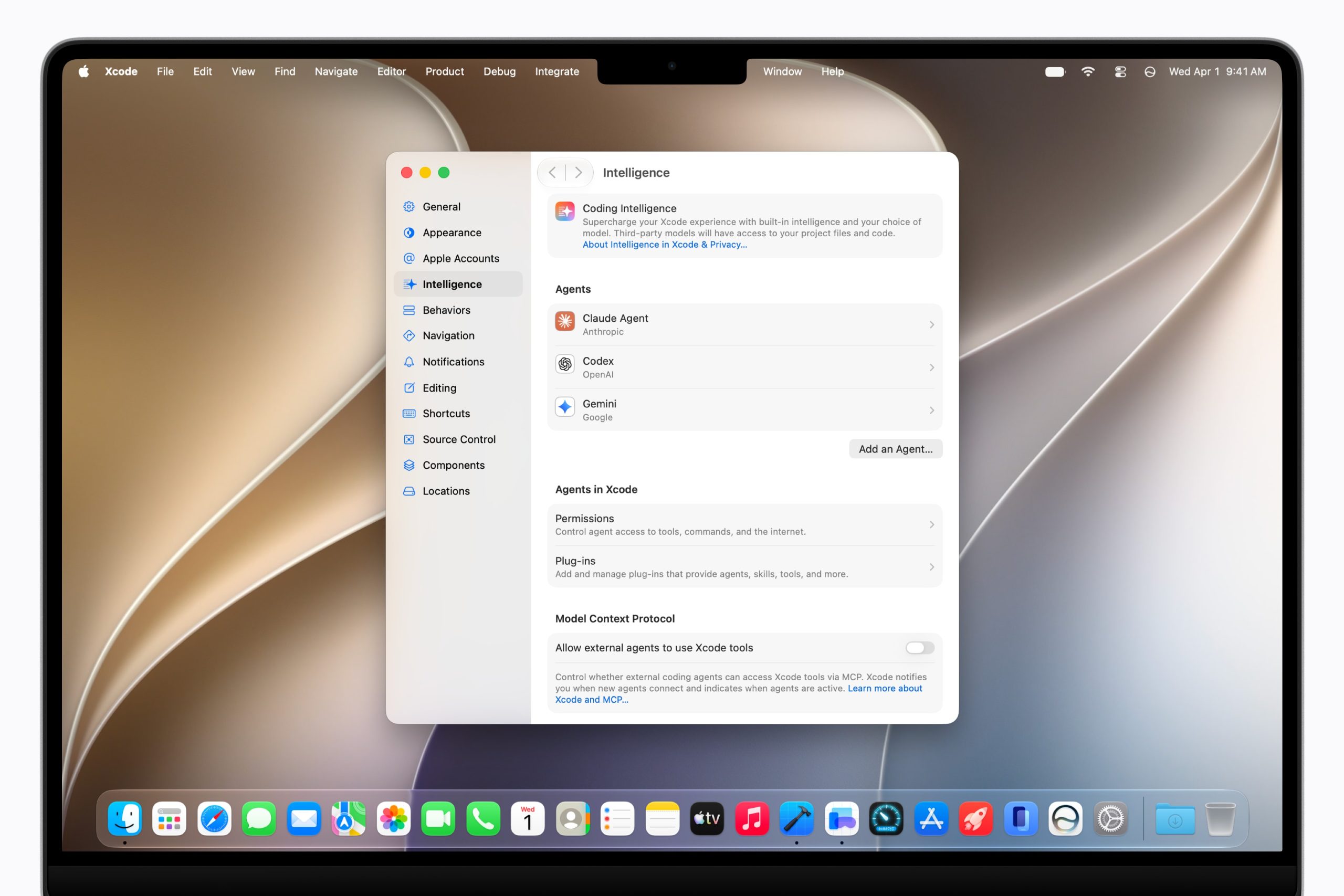
Google’s Android Studio agent can help with tasks like planning the structure of an app, writing code, creating unit tests and fixing bugs. Developers can also use AI models and services from various providers right inside their development environment.
Apple is moving in this direction with Xcode 27. Its coding agents can make plans, make changes to code, run tests, use Playgrounds, check previews, and even interact with simulators. This means developers can hand off step-by-step tasks to the AI while still reviewing and guiding the process.
AI is not only changing how applications are built; it is also changing what applications can achieve.
Developers can add language models and other AI features into programs to create functions like talking with users in language, understanding pictures, giving custom suggestions, making new content and doing tasks automatically.
Apple’s newest tools for developers let apps use AI models through built-in tools, including models that work on the device and models that work with servers. Google is also making it easier for Android apps to use AI-powered experiences.
This means mobile apps can now better understand users and react based on what’s happening instead of only following strict instructions.
Another important trend is the growth of on‑device AI. Rather than sending every AI request to a remote server, developers can run models directly on supported smartphones and other devices.
This approach can offer advantages in areas such as responsiveness, privacy and offline functionality. For example, Apple’s Core AI framework is designed to run AI models and take advantage of Apple silicon and its Neural Engine.
For developers on‑device processing can be particularly useful for applications that handle information or require quick responses without depending entirely on an internet connection.
AI does not get rid of the need for developers. Instead, AI changes where developers spend their time.
Instead of writing repetitive code by hand, developers can spend more time on architecture, product decisions, user experience, security and reviewing work that AI creates.
Industry adoption shows this change. According to JetBrains 2026 Developer Ecosystem Survey, 90% of developers surveyed used AI coding agents at work at least once a week, while 68% used AI coding agents every day between May and July 2026.
The developer’s role is therefore moving from writing every component by hand towards directing, validating and improving AI-assisted development.
Despite its advantages, AI-generated code still requires human oversight. AI can produce incorrect logic, security vulnerabilities, inefficient code, or solutions that do not follow a project’s architecture.
Testing and code review remain essential, especially for applications handling financial information, personal data, or other sensitive information.
Developers also need to understand the code AI produces rather than accepting generated solutions without verification. The most effective approach is therefore a collaboration between human expertise and AI automation.
AI is making mobile app development faster, more automated, and increasingly accessible. Developers can now move from an idea to a prototype quickly. An additional feature is that they can delegate coding and testing tasks to AI agents. Also, they can build features directly into applications.
The biggest change in 2026 is the move from AI-assisted coding to development. Instead of simply asking AI to write a piece of code, developers can increasingly ask AI to plan, build, test, debug and refine an application.
As these capabilities continue to evolve, successful mobile app development will depend not on coding skills but also on product thinking, technical judgment, security and the ability to effectively direct AI systems.